Floral Frame Wedding Invitation: Your Canvas for Creativity
More Than a Template: A Foundation for Your Vision
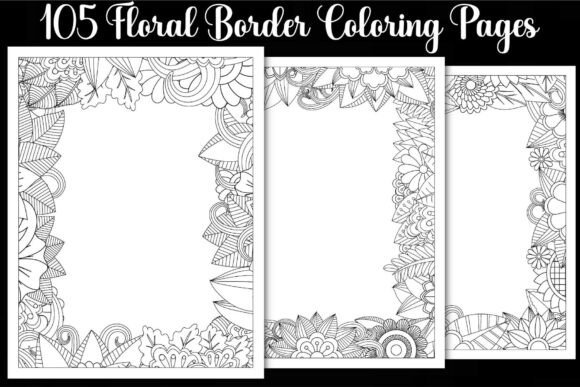
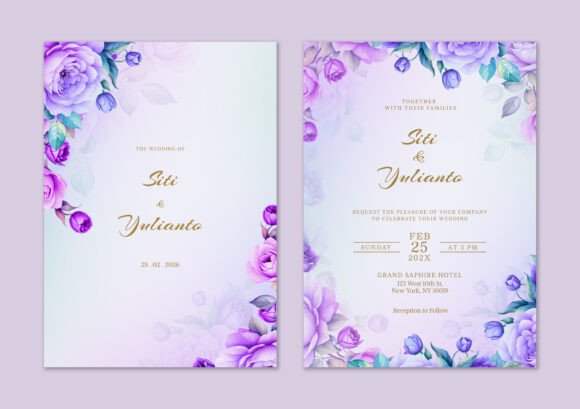
When you open a standard Wedding Invitation Card Template, you often get a locked design. You change the text, maybe the color, and that’s it. But what if the template was designed to be a starting point, not a final product? That’s the philosophy behind our Floral Frame masterpiece. It’s not just a static image to drop your details into. It’s a high-resolution, intricately designed botanical border that establishes a mood of elegance and artistry. The true value lies in the central, unoccupied space. This is your canvas, intentionally left blank for you to build upon. It’s an invitation to layer your own typography, monograms, or custom artwork, making the final piece uniquely yours. This approach moves the template from a mere utility to a genuine design asset that supports your creative process.
The Anatomy of an Adaptable Design
Visually, the Floral Frame is a study in balanced complexity. Imagine a selection of blossoms—perhaps peonies, garden roses, and delicate greenery—arranged with artistic precision. They’re not just plopped in corners; they flow organically around the edges, creating a sense of depth and movement. The backdrop is subtle, often a soft, textured paper effect that lets the florals take center stage without competing. This isn’t a whimsical, cartoonish garden. It’s a refined, almost painterly composition that feels both timeless and contemporary. The style leans into a modern typography aesthetic where the decorative elements are sophisticated enough to stand on their own, yet versatile enough to complement a wide range of typefaces.
This adaptability is key. The frame’s personality is elegant, romantic, and professional. It doesn’t scream for attention; it creates an atmosphere. This makes it a powerful tool for more than just wedding stationery. Consider using it as a foundational element for a brand identity for a boutique floral shop, a high-end spa, or a artisanal goods company. The frame can be the consistent visual thread across logo design explorations, packaging design, and social media graphics. By providing the file in both JPEG and PSD formats, we give you control. The JPEG is perfect for quick, straightforward projects. The PSD file, with its layered structure, is where the real magic happens for designers and serious crafters who want to isolate elements, adjust colors, or integrate the frame seamlessly into larger compositions.
Practical Applications: From Digital to Print
The real-world utility of a creative font or design asset is measured by its performance across different media. This Floral Frame excels in that test. Its high resolution ensures it looks crisp on a printed invitation, a thank-you card, or a menu. The intricate details won’t turn to mush on a large-format print. For editorial design, think of it as a stunning opener for a magazine article on garden weddings or floral trends. It can frame a featured quote or a chapter title, adding a layer of visual richness that engages the reader immediately.
In the digital space, the frame is equally effective. It can transform a simple website header or a blog post graphic. For web design, it could be used as a decorative border around a key section of content, guiding the user’s eye. On social media, it’s perfect for creating cohesive and professional-looking posts, stories, or event announcements. The key is to treat the frame as a background layer. Your primary message—whether it’s text, a product shot, or a call-to-action—sits in that central canvas, framed by the floral artistry. This creates a clear visual hierarchy that is both beautiful and functional, ensuring your content remains readable and impactful.
Making It Work for You: A Practical Guide
Choosing any premium font or design element requires a thoughtful evaluation. Here’s how to ensure this Floral Frame template is the right fit for your project and how to use it effectively.
- Evaluate the Project Fit: Is your project’s tone romantic, elegant, or nature-inspired? This frame will enhance that. If you’re designing for a tech startup or a minimalist brand, the ornate details might clash. It’s about synergy between the asset and your message.
- Test Your Typography: The central canvas is your playground. Don’t just use the first font you find. Test pairings. A clean, sans serif font like Montserrat or Lato can create a beautiful modern contrast against the organic florals. A delicate script font or handwritten font can amplify the romantic feel, but be mindful of readability. A classic serif font like Garamond or Playfair Display offers timeless sophistication. Always check the legibility of your chosen typeface at the intended size, especially for critical information like dates and addresses.
- Leverage the File Formats: If you’re a hobbyist or crafter using basic design software, the JPEG is your go-to. For designers using Adobe Photoshop or similar tools, the PSD file is invaluable. You can hide layers, recolor individual flowers, or extract the frame to use as a standalone border element in other projects. This flexibility multiplies the template’s value as a commercial font and asset.
- Consider the License: Always review the licensing terms. For personal projects like a one-time wedding invitation, a standard license is often sufficient. If you plan to use the frame in products for sale—like printable invitation suites, logos for clients, or merchandise—you’ll likely need an extended commercial license. Understanding this upfront prevents legal headaches down the line.
Ultimately, this Wedding Invitation Card Template is a tool for empowerment. It provides a stunning, professional-grade foundation that saves you time and elevates your work. By understanding its strengths and thoughtfully integrating your own creative elements, you transform it from a pre-made design into a authentic expression of your personal or brand style. It’s a partnership between the artist who created the frame and you, the creator who brings it to life.